
Several carmakers, including car market leader Maruti Suzuki India pulled the plug on diesel models citing higher costs for BSVI variants leaving buyers with limited options.

The smartphone category as a whole was expected to spend around Rs 1,000 crore on marketing and promotional activities over the next six months, even as India unlocks gradually, said media industry experts. This spending is expected to come down, as firms temper their launches.
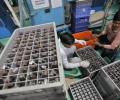
A knee-jerk reaction, they said, could be detrimental to the fortunes of an industry that is highly dependent on the country given the huge competitive advantage it offers, in terms of cost and speed.

Among the options being weighed are discounts on existing rentals, short-term deferrals, and 50 per cent waivers.

Prime was the first to grab streaming rights for seven titles for an estimated Rs 300 crore.

To be able to tide over the current crisis, automobile manufacturers have waged a war against all cost heads.

Movie theatres may reopen around the second week of July.

Gulabo Sitabo was made with a budget of Rs 40 crore to Rs 45 crore. Amazon Prime bought the streaming rights for Rs 60 crore to Rs 65 crore, helping the producers make over Rs 20 crore.

From auto, refrigerator, and mobile handset makers to real estate firms, companies are tying up with banks to dole out attractive finance schemes and discounts to make buying more affordable.
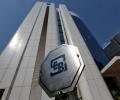
In a circular dated May 20, Sebi had directed the listed companies to evaluate the impact of Covid-19 on their capital and financial resources, profitability, liquidity position, assets, and ability to service debt. Instead, companies have spoken about the number of plants, warehouses and distribution centres that have resumed operations; work-from-home and safety measures undertaken for employees; and the labour shortage they are facing.

At the heart of the matter are revenue-share rental agreements that retailers are mooting over fixed-rent contracts that they say are unsustainable, given the revenue loss they've suffered during the lockdown.

After the easing of lockdown in mid-May, auto companies were able to resume production in a phased manner, but the ramp-up was slow due to a broken supply chain, and lockdown-induced restrictions.

Clearly, the domestic market has taken sharp knocks in April, which is likely to be visible in May as well, said analysts tracking the market, as FMCG companies are grappling with improving capacity utilisation and dealing with labour shortage.

'While OTTs are a reality, big film producers will prefer a theatrical release before a digital one.'

Almost 70 per cent of alcohol distribution in India happens through liquor vends or shops, while 30 per cent happens on-premise, that is, in bars, pubs, and hotels.

Besides regular buyers, there is lot of interest among those in essential services, such as health, banking, and IT. The sales will be helped by social distancing becoming the new normal in both urban and rural regions as people will be averse to using public transport.

Hotels are using a combination of platforms to reach out to the guests. These include online travel agents among others. hotels in India are offering guests an option to pay now and stay later.

Radhakishan Damani is the only billionaire to see his wealth grow by around 20% during the lockdown.

A clutch of automakers including Maruti Suzuki, Hero MotoCorp, Mercedes Benz India, Eicher Motors, TVS Motor, and Isuzu Motors India announced they had got the clearance from the governments of the states they operate in to resume operations.

Companies from Unilever to Proctor & Gamble, Nestl, Coca-Cola and PepsiCo have all alluded to lockdown challenges in India and the globe as well as the impact it will have on April-June as well as full-year numbers.
 © 2026 Rediff.com - Investor Information - Advertise with us - Disclaimer - Privacy Policy - Sitemap - Feedback - About us - Terms of use - Grievances